Soft Flex: The Art of Looking Expensive Without Saying a Word
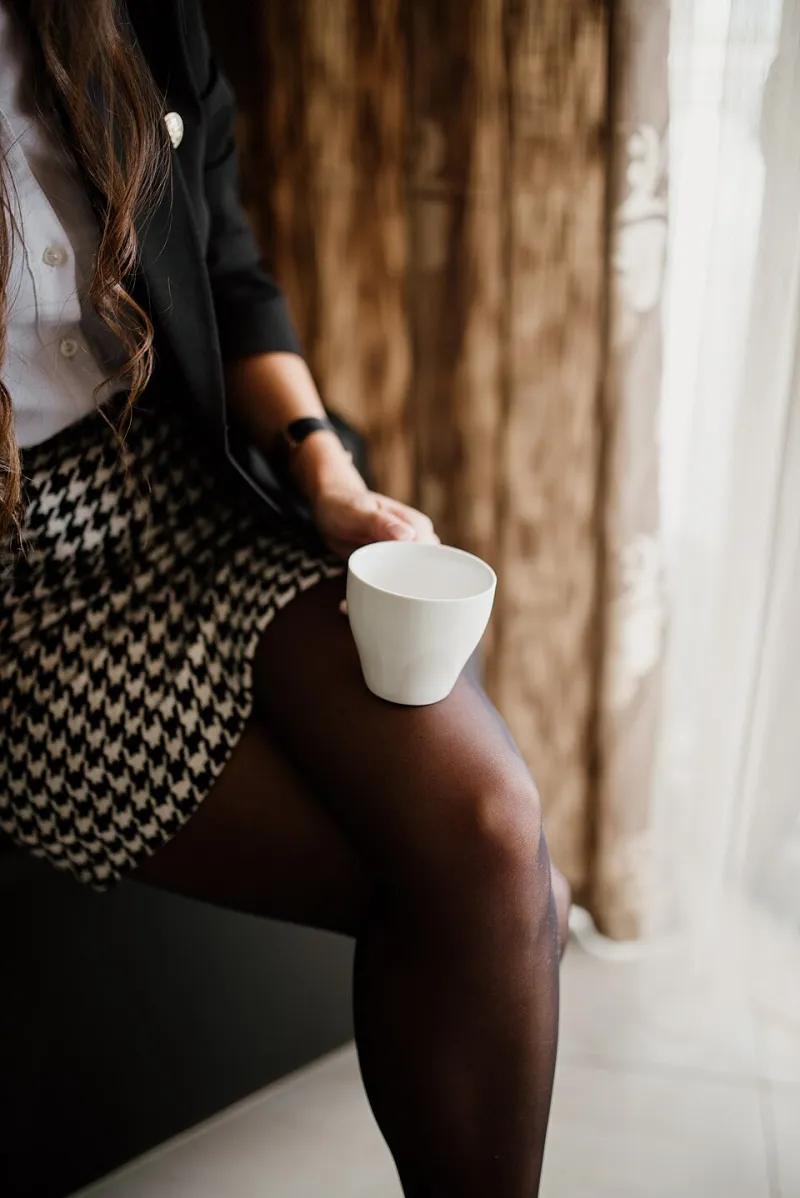
Photo: Shixart1985, CC BY 2.0, via Wikimedia Commons
Let's be real for a second. The loudest thing in the room isn't always the most powerful. Sometimes it's the person in the corner with the perfectly cut trousers and the understated bag who's commanding the whole energy — without trying, without logos, without a single piece that screams "look at me."
That's the soft flex. And Gen Z is starting to understand it in a way that previous generations kind of missed.
Quiet luxury — the aesthetic of restraint, quality, and effortless polish — has been trending hard enough to spawn a thousand TikTok breakdowns. But here's where it gets interesting: the Gen Z version of quiet luxury isn't the same as the old-money boarding school aesthetic it's usually associated with. It's something more layered. More personal. It's minimalist in execution but loud in identity. And figuring out how to pull that off is genuinely one of the more exciting style challenges of this moment.
Why Restraint Became Its Own Statement
For a while, maximalism was having its moment — and honestly, it still is in certain corners of the internet. Dopamine dressing, clashing prints, visible branding, more-is-more everything. It was a reaction to something: the pandemic, the algorithm, the need to be seen in a world that had suddenly gone digital-only.
But there's a counter-current building. A growing number of Gen Z consumers are quietly stepping away from the visual noise. Not because they're becoming boring — far from it — but because they've started to realize that the most confident looks don't need to explain themselves.
This shift is also partly economic and partly ethical. Fast fashion's grip is loosening. The conversation around buying less but better has moved from niche sustainability discourse into mainstream Gen Z culture. When you're thinking more carefully about what you buy, you start to develop an eye for quality. And quality, it turns out, has a very specific look — one that doesn't need a logo to communicate it.
What Actually Makes Something Look Expensive
This is where a lot of style advice goes wrong. "Invest in quality pieces" is said so often it's become meaningless. So let's get specific.
Fit is doing ninety percent of the work. A $30 blouse that fits perfectly will read more expensive than a $300 blouse that's swimming on you or pulling in the wrong places. Before you spend money on new pieces, spend a little on tailoring the things you already own. It's genuinely one of the highest-ROI moves in fashion.
Fabric weight and drape are everything. Run your hand across a piece before you buy it. Does it feel substantial? Does it hang with intention or kind of sag and cling randomly? Fabrics like wool, silk, heavy cotton, and quality linen have a weight and movement that synthetic blends just can't fake — and your eye picks up on it even when your brain doesn't consciously register why.
Construction details are the tell. Look at the seams. Are they finished cleanly on the inside? Check the buttons — are they sewn with reinforced thread? Does the zipper glide or does it catch? These are the things fast fashion skips. They're also the things that make a piece last three years instead of three months.
Color palette matters more than you think. The quiet luxury aesthetic leans into neutrals and muted tones not because color is bad, but because a controlled palette reads as intentional. When everything in your outfit is working together, the overall effect feels considered — and considered always looks more expensive than thrown-together.
Keeping Your Personality in the Mix
Here's the tension: quiet luxury as an aesthetic can flatten into something that looks expensive but feels kind of... anonymous. And Gen Z is not about being anonymous. The whole point of personal style is that it tells people something true about who you are.
So how do you incorporate restraint without erasing yourself?
Let one thing be the conversation starter. Maybe your outfit is all neutrals and clean lines, but you're wearing an heirloom ring that has a story, or a vintage scarf tied in a way nobody else would think to do it, or a pair of shoes in a color that's technically unexpected but somehow perfect. One deliberate departure from the formula is all you need. It signals that you understand the rules well enough to bend them.
Use texture as your personality layer. When you're working with a quieter color palette, texture becomes your expressive tool. A chunky knit against tailored pants. A sheer overlay on a structured base. Leather mixed with something soft. Texture creates visual interest without visual chaos.
Invest in pieces that carry history. Vintage finds, thrifted gems, inherited jewelry — these add a dimension that no amount of money can buy new. There's a story in a worn leather jacket or a silk scarf from a different decade. That kind of authenticity is exactly what quiet luxury is missing when it's just rich people in beige.
Let your grooming and presence do some of the talking. The soft flex isn't just about clothes. It's about how you move in them. Confidence, eye contact, the way you carry yourself — these amplify every outfit. A person who's genuinely comfortable in what they're wearing reads as more put-together than someone in technically perfect clothes who seems uncertain.
The Coconut Young Take
At Coco Young, we believe style is always personal — always a reflection of something real about who you are and where you're going. The soft flex, done right, isn't about aspiring to someone else's version of luxury or performing a class identity that isn't yours. It's about developing enough taste and self-knowledge to let your choices speak quietly but clearly.
Coconut energy has always been about that: the kind of ease that comes from being deeply rooted. You don't need to announce yourself when you know exactly who you are. The clothes just... show it.
Buy the piece that's made to last. Get it tailored. Wear it with something that's completely, unmistakably you. And let the room figure out the rest.
That's not a trend. That's a whole philosophy.