Beyond the Beach: How Coconut Girl Energy Became a Year-Round Way of Life

Photo: Jean-Baptiste Debret, Public domain, via Wikimedia Commons
Remember when coconut girl was just sandy hair, shell jewelry, and that one Conan Gray playlist on repeat? Yeah, those days feel kind of quaint now. Because somewhere between the Pinterest boards and the TikTok duets, something genuinely interesting happened: a summer aesthetic grew a soul.
Today, coconut girl isn't a seasonal costume. It's closer to a philosophy — and Gen Z is running with it in ways that have nothing to do with whether it's July or January.
From Trend to Identity: The Quiet Transformation
Every generation needs a visual language to communicate who they are without having to explain themselves constantly. For Gen Z, coconut girl became that shorthand. But unlike a lot of internet aesthetics that peak and crash within a single news cycle, this one had staying power because it tapped into something real.
At its core, the vibe was never actually about coconuts. It was about ease. About choosing natural textures over synthetic ones, sun-faded colors over neon saturation, slow mornings over performative hustle. When you strip away the surface-level imagery, what you're left with is a pretty radical rejection of the polished, filter-heavy perfection that dominated social media for the better part of a decade.
And that resonated deeply with young people who grew up watching influencers stage their entire lives for an algorithm.
The Sustainability Thread Running Through Everything
Here's where it gets interesting: the coconut girl aesthetic and the sustainability conversation are basically the same conversation wearing different outfits.
Creators like Maya, a 22-year-old from San Diego who runs a small lifestyle account focused on "slow living by the coast," put it plainly: "I started calling my whole approach coconut girl energy because it just fit. I thrift almost everything. I use reef-safe sunscreen. I buy from small brands that actually care about the ocean. It's not a trend for me — it's how I want to move through the world."
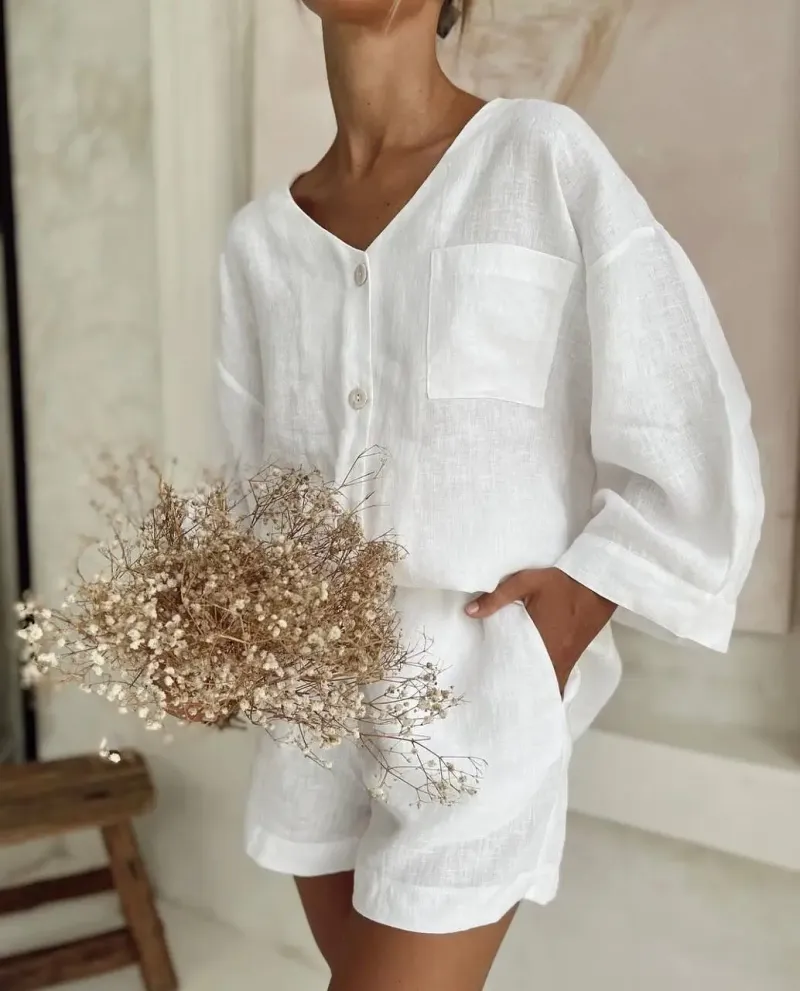
That connection between the aesthetic and conscious consumption isn't accidental. When you're drawn to natural fibers, minimal packaging, and pieces that age beautifully rather than fall apart after three washes, you're essentially describing the ethos of slow fashion. The visual language of coconut girl — linen, rattan, beeswax, shells, worn-in denim — maps almost perfectly onto sustainable material choices.
For Gen Z, who are statistically more likely than any previous generation to factor environmental impact into purchasing decisions, this alignment feels less like a coincidence and more like inevitability.
Self-Care Without the Performance
Another reason this aesthetic has legs beyond summer? It's deeply tied to a version of self-care that actually feels nourishing rather than exhausting.
The wellness industry spent years selling Gen Z on the idea that self-care meant expensive skincare routines, gym memberships, and color-coded planners. Coconut girl culture quietly offered a counter-proposal: what if self-care just looked like a long walk on a trail, a homemade smoothie, or sitting outside with your phone face-down?
That's a version of wellness that doesn't require a subscription or a sponsored post. It's accessible, it's personal, and it doesn't perform for anyone.
Jasmine, a 20-year-old from Asheville, North Carolina — about as far from a beach as you can get — describes her version of the aesthetic as "landlocked coconut girl." She leans into earth tones, farmers market trips, and keeping crystals on her windowsill. "People think it has to be coastal to count," she says. "But for me it's just about choosing things that feel grounded and real. You don't need an ocean for that."
Rejecting Perfectionism, One Imperfect Outfit at a Time
Maybe the most radical thing about the coconut girl worldview is its relationship with imperfection. In an era of hyper-curated feeds and AI-smoothed selfies, the whole aesthetic leans into the messy, the organic, and the unposed.
Sunscreen marks on a linen top? Cute. Hair that's a little crunchy from salt water or air drying? That's the point. A thrifted dress with a small flaw that you love anyway? Absolutely.
This isn't just aesthetic preference — it's a genuine pushback against the anxiety-inducing standards that social media has spent years normalizing for young women in particular. Choosing to present yourself in a way that prioritizes feeling good over looking perfect is, in its own quiet way, kind of revolutionary.
How to Bring the Energy Into Your Own Life
The beauty of this aesthetic is that it's genuinely adaptable. You don't need to move to Hawaii or overhaul your wardrobe overnight. Here's how to start threading the vibe into your everyday life, wherever you are:
Start with your mornings. Before you reach for your phone, give yourself five minutes outside or by a window. Natural light, fresh air, no notifications. That's coconut girl energy in its most essential form.
Edit your wardrobe toward natural textures. You don't have to throw anything out. But when you're shopping, start gravitating toward linen, cotton, bamboo, and other materials that feel good on your skin and wear well over time. Thrift stores are gold mines for this.
Find your version of the aesthetic. Maybe you're a desert coconut girl. Maybe you're a mountain coconut girl. Maybe you're a city coconut girl who keeps a small plant collection and burns coconut wax candles in your apartment. The geography doesn't define it — the intention does.
Consume more slowly. Whether it's fashion, food, or content, the coconut girl worldview is fundamentally about slowing down and being more intentional. Unfollow accounts that make you feel bad. Cook something from scratch. Buy one quality thing instead of five mediocre ones.
Let go of the grid. Post the blurry photo. Wear the outfit that's just for you. The whole vibe falls apart if you're performing it for validation. Authenticity is the actual aesthetic.
The Bigger Picture
Coconut girl went from a hashtag to a cultural shorthand for a reason. It offered something that was genuinely in short supply: a way of being that felt soft without being passive, stylish without being exhausting, and connected to something larger than a trend cycle.
For Gen Z — a generation navigating climate anxiety, economic uncertainty, and the relentless pressure of digital life — having a personal aesthetic that doubles as a value system isn't superficial. It's actually kind of necessary.
So yeah, coconut girl season is every season. And honestly? It's just getting started.