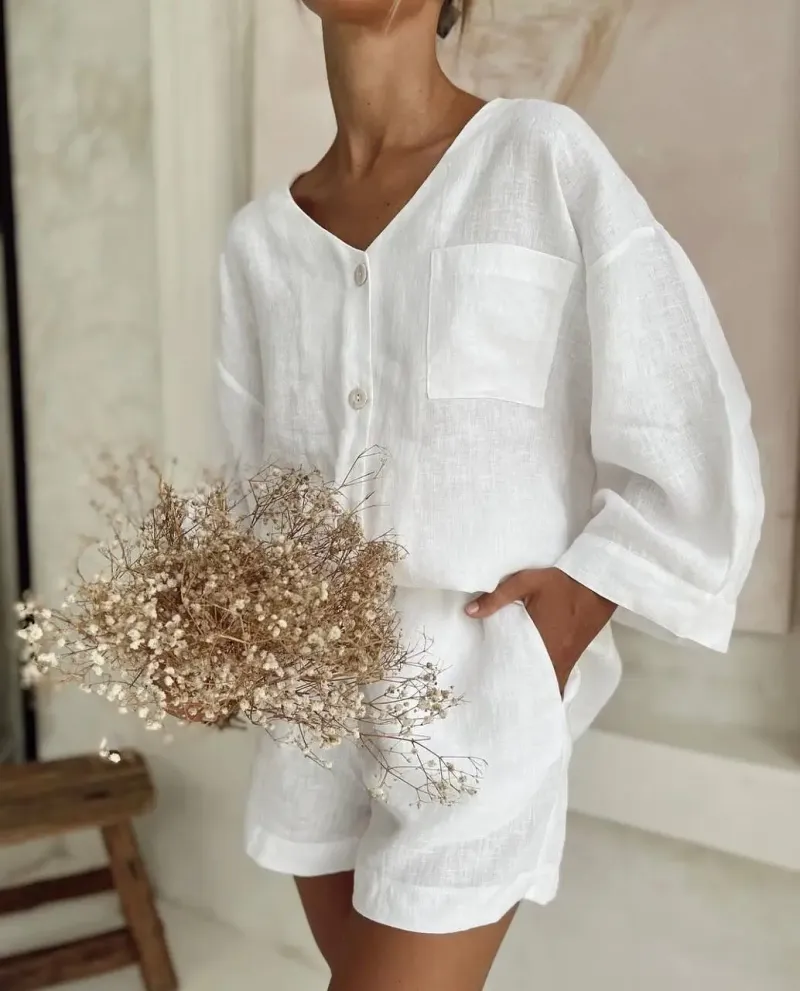
Dress How You Feel, Not How the Algorithm Says You Should
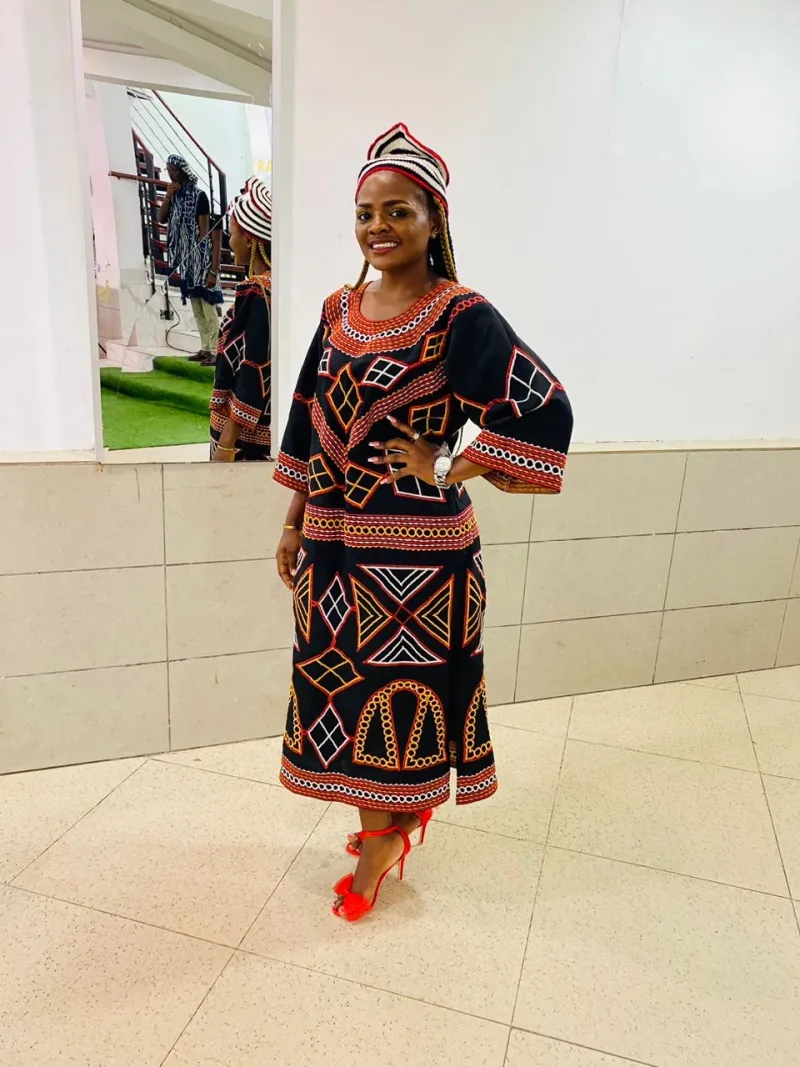
Photo: Dohsen Margaret, CC BY-SA 4.0, via Wikimedia Commons
Here's a question worth sitting with: when was the last time you got dressed for yourself?
Not for a photo. Not because something was trending. Not because a creator you follow made it look good in a reel. Just — for the pure, uncomplicated reason that putting it on made you feel like the best version of you.
If you had to think about it for a second, you're not alone. For a generation that grew up with social media practically hardwired into their daily routines, the line between dressing for yourself and dressing for an audience got blurry a long time ago. But something's shifting. Gen Z is starting to reclaim their closets — and the movement has a name: dopamine dressing.
So What Actually Is Dopamine Dressing?
The term sounds like it was invented by a wellness brand trying to sell you something, but the concept behind it is genuinely rooted in how our brains work. Dopamine is the neurotransmitter associated with pleasure, motivation, and reward. It's what fires when something feels good — and yes, that includes what you're wearing.
Research in the field of "enclothed cognition" (the study of how clothing affects psychological states) has shown that what we wear influences how we think, feel, and even perform. A 2012 study from Northwestern University found that wearing specific garments could meaningfully shift someone's mental focus and confidence levels. Basically: clothes are not just fabric. They're a mood system.
Dopamine dressing takes that idea and runs with it — prioritizing pieces that trigger genuine emotional responses over pieces that photograph well or fit whatever aesthetic is dominating your For You page this week.
Why Gen Z Is Leading This Shift
It's not random that this conversation is happening loudest among people in their late teens and twenties. Gen Z came of age during a period of peak aesthetic optimization — VSCO girl, cottagecore, dark academia, clean girl — each one a fully packaged identity kit that could be assembled from a shopping haul and a preset filter.
And for a while, that was genuinely fun. Aesthetics gave people a creative framework and a community. But somewhere along the way, the pressure to maintain a cohesive, algorithm-friendly visual identity started to feel less like self-expression and more like a part-time job.
"I had a whole 'clean girl' era and I hated almost every outfit," admits Priya, a 21-year-old from Chicago. "Everything matched, everything was neutral, and I looked great in photos. But I felt nothing when I got dressed. It took me a while to realize I was literally dressing for other people's eyes."
That realization — that a perfectly curated wardrobe can feel completely hollow — is what's pushing a lot of Gen Z toward something more instinctual.
Color Is the Starting Point
If you want to start experimenting with dopamine dressing, color is the most immediate lever you have. And no, you don't need to become a maximalist overnight.
Color psychology has been studied for decades, and while individual responses vary, some patterns hold up consistently. Warm yellows and oranges tend to trigger feelings of energy and optimism. Deep blues and greens create a sense of calm and groundedness. Reds can increase confidence and intensity. Purples often feel creative and a little otherworldly.
But here's the thing that often gets lost in those listicles: your personal color associations matter more than the general ones. If you grew up wearing red to every holiday gathering and those memories feel warm and safe, red might be your comfort color. If you associate bright yellow with a teacher who made you feel seen, yellow might be the thing you reach for on hard days.
Building a dopamine wardrobe means getting curious about your own color history, not just following a chart.
Texture Is the Underrated Player
Color gets all the attention, but texture is doing serious emotional work in your wardrobe and you might not even realize it.
Think about how different it feels to wear a soft, worn-in cotton tee versus a stiff polyester blouse. Or chunky ribbed knitwear versus a silky slip dress. Those aren't just aesthetic differences — they're sensory experiences that affect your mood throughout the entire day.
For people with sensory sensitivities (which includes a significant portion of neurodivergent Gen Z consumers who are increasingly open about their experiences), texture can be the deciding factor between a day that feels manageable and one that feels like everything is slightly wrong.
Dopamine dressing, at its most practical, means paying attention to how things feel, not just how they look. That scratchy blazer that photographs beautifully but makes you want to rip it off by noon? It has no place in a wardrobe built around your wellbeing.
Building a Mood-Responsive Wardrobe
You don't need a massive budget or a closet overhaul to start dressing more intentionally. Here's a practical framework:
Audit what you actually reach for. Spend two weeks noticing which pieces you grab instinctively on days when you want to feel good. Those items are your data points. They're telling you something about what genuinely works for your brain.
Identify your emotional anchors. What do you wear when you need confidence? What do you wear when you want to feel cozy and low-key? What do you wear when you're trying to signal creativity? Naming these categories makes it easier to shop with intention rather than impulse.
Stop buying for the hypothetical. We all do it — buying something for a version of our life that doesn't quite exist yet. The dopamine dressing approach asks you to buy for your actual daily life and the moods you actually move through.
Mix eras and aesthetics freely. One of the most liberating things about this approach is that it has no rules about cohesion. A vintage band tee with a flowy midi skirt and chunky sneakers? If it makes you feel like yourself, that's the whole point.
Thrift with intention. Secondhand shopping is one of the best playgrounds for dopamine dressing because the selection is unpredictable and the stakes are low. You can experiment with a color or silhouette you've never tried without committing to a full-price purchase.
Fashion as Mental Wellness
This is where the conversation gets genuinely interesting — and a little bigger than just clothes.
For a generation dealing with historically high rates of anxiety and burnout, the idea that something as accessible as getting dressed can be a small act of self-care isn't trivial. It's not a cure-all, obviously. But reclaiming agency over something as daily and personal as what you put on your body? That matters.
Dopamine dressing is, at its heart, a rejection of the idea that your appearance exists primarily for external validation. It's a reorientation toward the internal — toward asking how does this make me feel instead of how will this make me look.
In a culture that has spent years commodifying self-expression and packaging it back to young people as an aesthetic to perform, that's a genuinely subversive question.
Ask it anyway. Then go find the outfit that answers it.