Feeling Good Is the Fit: Why Comfort and Style Were Never Actually Enemies
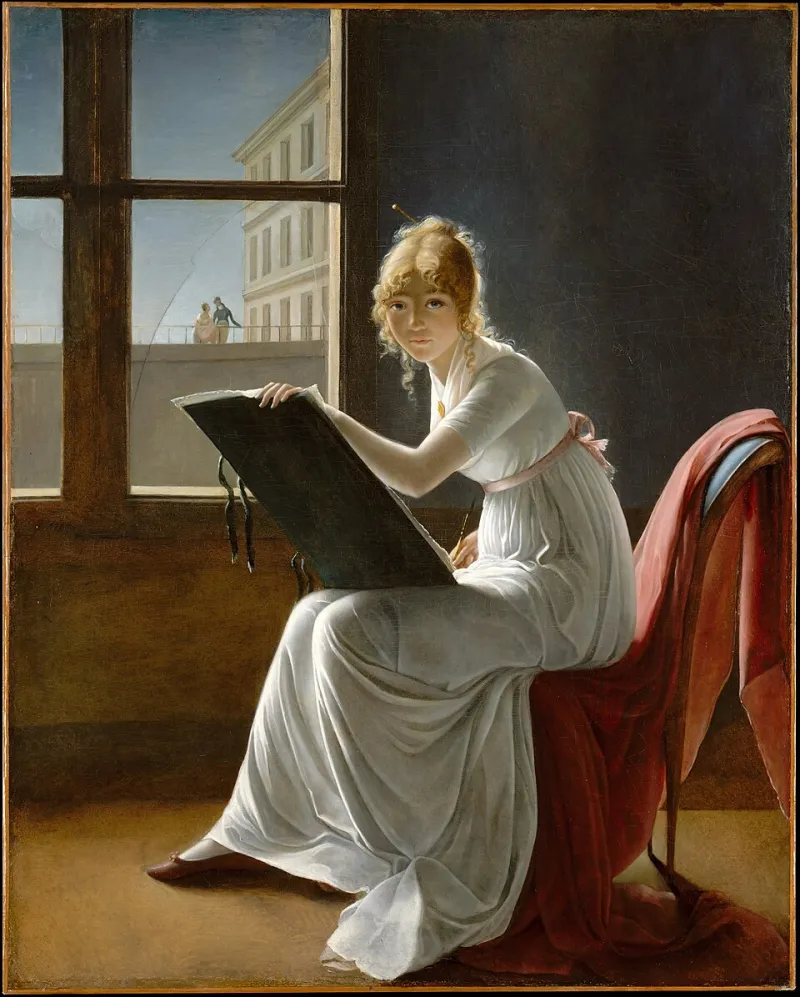
Photo: Unknown authorUnknown author, Public domain, via Wikimedia Commons
Let's be real: at some point, someone told us that suffering was part of the deal. Blisters from shoes that were "worth it." Waistbands that dug in all day because the silhouette was clean. Tops that looked incredible in the mirror but made you want to change the second you sat down. Fashion handed us this unspoken rule — that style and comfort were on opposite ends of a spectrum — and honestly? We accepted it for way too long.
Gen Z isn't doing that anymore. And it's not about giving up on aesthetics. It's about refusing to treat your own body like a prop for the look.
The Myth That Got Passed Down
The comfort-versus-style binary didn't come from nowhere. It was baked into decades of fashion culture that prioritized the visual above everything else — runway silhouettes that were never meant to be worn for more than ten minutes, editorial looks styled for a camera lens rather than a full day of living. That trickled down into the way everyday people thought about getting dressed.
If you've ever heard someone say "beauty is pain" while lacing up shoes that were half a size too small, you've seen the legacy of that thinking in real time. It became almost aspirational to suffer for a good outfit. The discomfort was proof that you cared.
But caring about how you look and caring about how you feel aren't competing values. They never were. That was always the con.
What "Wearable" Actually Means
Stylist Jade Moreau, who works primarily with young creatives in Los Angeles, puts it simply: "A truly great piece is one you forget you're wearing. Not because it disappears, but because it moves with you instead of against you."
That's the real test. Not whether something photographs well. Not whether it gets compliments at the door. Whether you're still wearing it at 9 PM without having adjusted it seventeen times.
Wearability isn't the same as blandness. A wide-leg trouser in a rich chocolate linen? Incredibly wearable. A structured blazer cut slightly oversized so it doesn't restrict your shoulders? Still sharp, still intentional, but your arms can actually exist inside it. A slip dress in a fabric that drapes instead of clings? That's not settling — that's knowing what works.
The pieces that genuinely deliver on both comfort and impact tend to share a few qualities: natural or performance-blend fabrics that breathe, construction that accounts for actual human movement, and silhouettes that are chosen deliberately rather than defaulted to because they're "supposed to" look good.
The Performative Fashion Trap
Here's something stylists will tell you off the record: a lot of what gets labeled as "elevated" or "polished" is really just uncomfortable by design. It's fashion performing the idea of effort. The rigid collar that doesn't lay right. The midi skirt with a slit that's about two inches too narrow to walk naturally. The corset-style top that looks incredible in photos but has you taking shallow breaths by noon.
Moreau calls these "display pieces" — garments that exist to be seen, not worn. "There's a place for display fashion," she says. "But when everything in your closet is performing instead of functioning, getting dressed starts to feel like a chore. And then you stop reaching for things. And then you wonder why you have nothing to wear."
Spotting a performative trend versus a genuinely wearable one comes down to asking a few honest questions before you buy. Can you sit down in this comfortably? Can you raise your arms? Is the fabric going to pill or stretch out within three wears? Would you still want to be in this outfit six hours from now? If the answers are mostly no, that's the piece telling you something.
High-Impact Pieces That Actually Deliver
So what does the comfort-and-style sweet spot actually look like in practice? A few examples that are doing the work right now:
Relaxed tailoring. The oversized blazer trend isn't going anywhere, and for good reason — it reads polished without restricting movement. Pair it with wide-leg trousers in a matching neutral and you've got a full look that functions as well as it photographs.
Jersey everything. Not the cheap, see-through kind — quality jersey fabric has serious range. Midi skirts, wrap dresses, even structured-looking tops in a heavy jersey knit give you the silhouette without the stiffness.
Low-profile sneakers with actual outfits. The era of forcing heels into situations where they don't belong is winding down. A clean white leather sneaker or a sleek low-top can anchor a dress, a trouser look, or a skirt set without losing a single point of style.
Linen and linen blends. Especially relevant in warmer months, but increasingly showing up in transitional pieces too. Linen wrinkles, yes, but it breathes, it drapes beautifully, and it gets better with wear. That's a fabric doing its job.
Bralettes as layering pieces. Whether under a sheer top, a button-down left open, or a blazer, a well-made bralette gives you comfort, coverage, and an intentional aesthetic all at once.
Dressing for the Day You're Actually Having
Part of the shift happening in Gen Z style culture is a move away from dressing for an idealized version of your life and toward dressing for the actual one. The one where you're on your feet for hours, or commuting across the city, or sitting through back-to-back classes, or going from work to dinner without time to change.
That's not a downgrade. That's real life, and it deserves real clothes.
The coconut-core philosophy that runs through everything at Coco Young is rooted in exactly this: ease that doesn't apologize for itself. Sun-warmed, relaxed, alive. That energy doesn't require sacrifice. It requires intention — knowing what actually works for your body, your day, and the version of yourself you're showing up as.
Comfort isn't the consolation prize you get when style doesn't work out. It's part of what makes a great outfit actually great. When you feel good in what you're wearing, you carry it differently. You're not adjusting, tugging, or counting down until you can change. You're just in it.
And that? That's the whole point.