One Bag, Every Climate: The Travel Capsule That Actually Goes the Distance
Let's be real: the overpacking era is over. Not because some influencer said so, but because anyone who's ever dragged a 50-pound suitcase through a European train station or paid $75 in baggage fees for a four-day trip knows the truth — more stuff doesn't mean better travel. It just means more decisions, more stress, and less room for the things that actually matter.
The move right now is the travel capsule. Not the Pinterest-perfect version with matching linen sets and a single straw hat. The real one. The kind that works whether you're landing in Denver in February or catching a connecting flight to somewhere tropical in the same week. This is about building a suitcase that's as adaptable as you are.
Start With the Climate Math
Before you touch your closet, do a quick climate audit of your trip. Are you dealing with one environment or multiple? A ski trip to Tahoe is different from a road trip that starts in Nashville and ends in Miami. Once you map out the temperature range and activity types you're dealing with, packing becomes a logic problem instead of a panic spiral.
The rule that actually works: pack for the coldest day, layer for the rest. Cold weather takes up more physical space in a suitcase — chunky sweaters, thick socks, heavy boots. If you build your base around cold-weather functionality and layer down for warmth, you can strip pieces off as the climate shifts without being stranded in a sundress when it drops to 40 degrees.
The Formula: 10 Pieces, Infinite Outfits
Here's a real packing formula that Gen Z travelers are actually using — not aspirational, just functional:
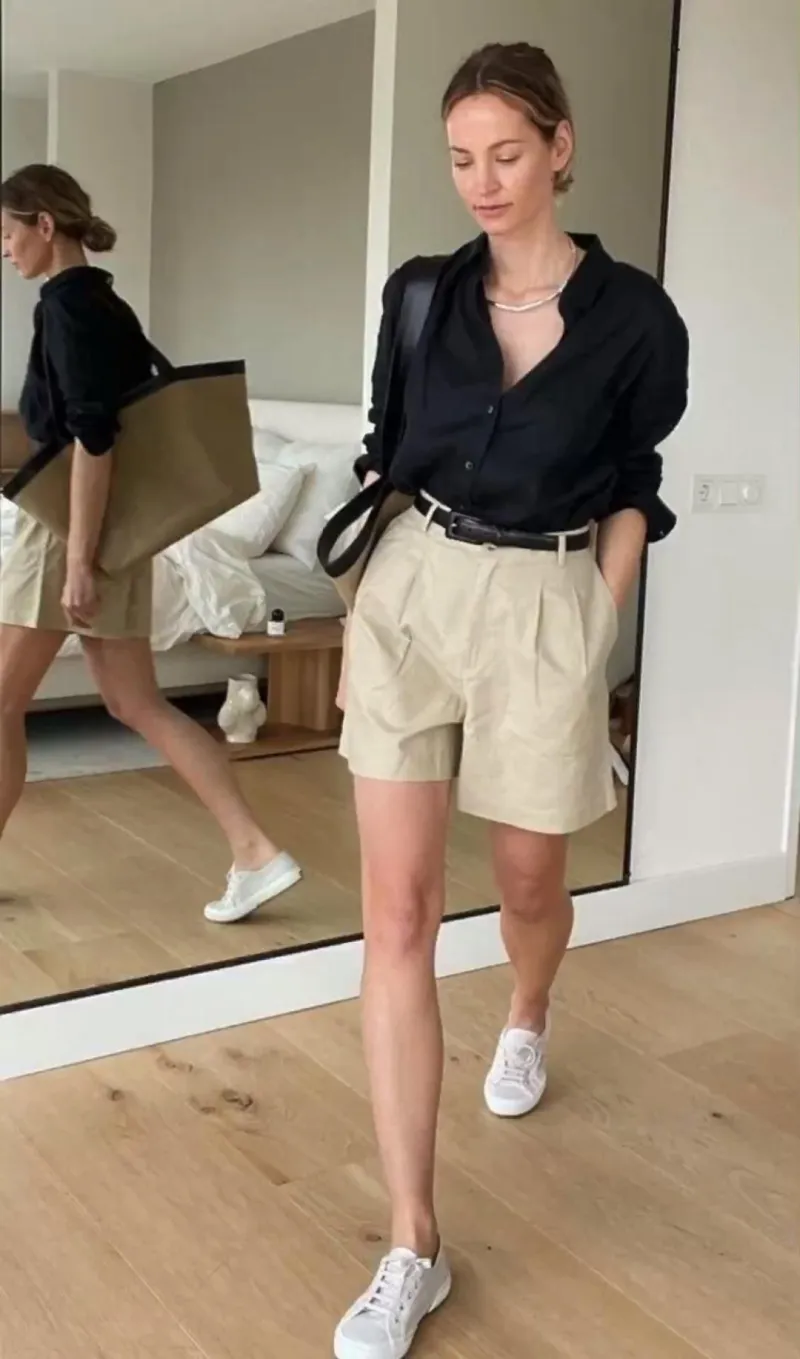
- 2 bottoms (one casual, one can dress up — think dark straight-leg jeans and a neutral trouser or midi skirt)
- 3 tops (one fitted long-sleeve, one oversized tee, one going-out or elevated option)
- 1 light layer (a linen shirt, a relaxed blazer, or an open button-down — doubles as a beach cover-up or a dinner layer)
- 1 warm layer (a fleece, a fitted crewneck, or a lightweight puffer that compresses)
- 1 dress or jumpsuit (the single-piece outfit that needs zero coordination energy)
- 2 shoes (one comfortable walking shoe, one that works for a nicer setting — white sneakers and a low sandal or clean boot cover most scenarios)
- Accessories that shift the vibe (a scarf that works as a wrap, a belt, a couple of jewelry pieces)
That's it. That's the whole thing. Ten pieces that mix, match, and layer across a week-plus of actual living.
Fabric Is Everything
Here's where most people go wrong: they pack based on how something looks on a hanger instead of how it performs in a bag. Wrinkle-prone fabrics are a travel nightmare. Heavy cotton takes forever to dry if you need to hand-wash something. Overly delicate pieces stress you out the whole trip.
The fabrics that actually travel well: merino wool (regulates temperature, resists odor, barely wrinkles), nylon or recycled polyester blends (packable, quick-dry), jersey knits (soft, stretchy, forgiving in a suitcase), and linen for warm-weather destinations (wrinkles, but in a way that looks intentional). Natural fibers are having their moment for a reason — they're just smarter for real-life wear.
When you're building a multi-climate capsule, merino is your best friend. A merino long-sleeve works as a base layer under a puffer in cold weather and as a standalone top on a cool evening. One piece, two completely different temperature zones. That's the energy.
Color Cohesion Without Being Boring
The reason capsule wardrobes work is because everything talks to everything else. If you pack a random mix of colors and patterns, you end up with pieces that only work in specific combinations — which means you packed more than you needed.
Pick a palette of three to four colors that genuinely feel like you. It doesn't have to be all neutrals (that's a vibe, not a rule). Maybe your palette is cream, olive, cobalt, and rust. Maybe it's black, white, and a single pop of something warm. Whatever it is, stick to it. Every piece you pack should be able to sit next to at least two others in your bag without clashing.
The one statement piece rule: you're allowed one item that's bold, pattern-heavy, or doesn't mix as easily — a printed dress, a bright jacket, a textured co-ord set. That piece carries the personality of the whole trip without blowing up your system.
Packing Techniques That Actually Save Space
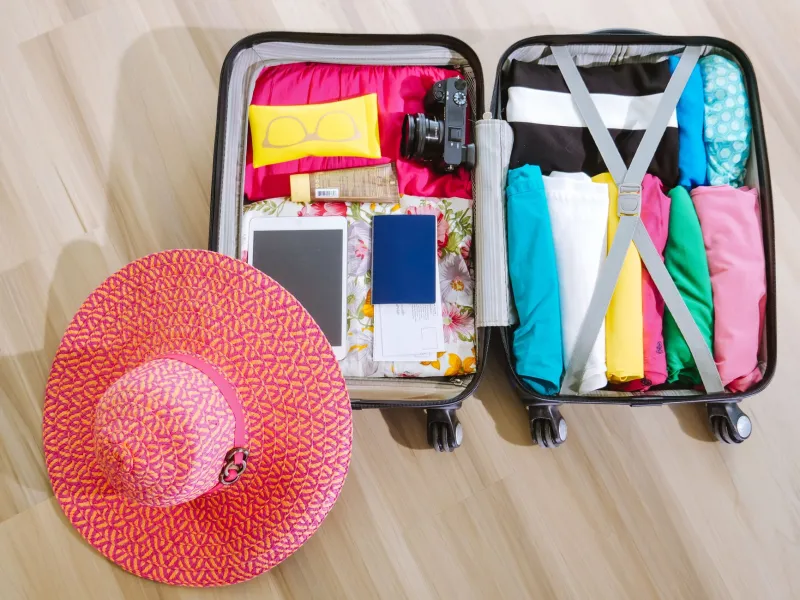
Rolling versus folding is genuinely not the debate it used to be — roll knitwear and casualwear, fold structured pieces to maintain shape. The real space-savers are compression cubes, which aren't just an airport influencer thing. They work. Organizing by category (tops, bottoms, layers) means you're not unpacking your entire bag every morning to find one shirt.
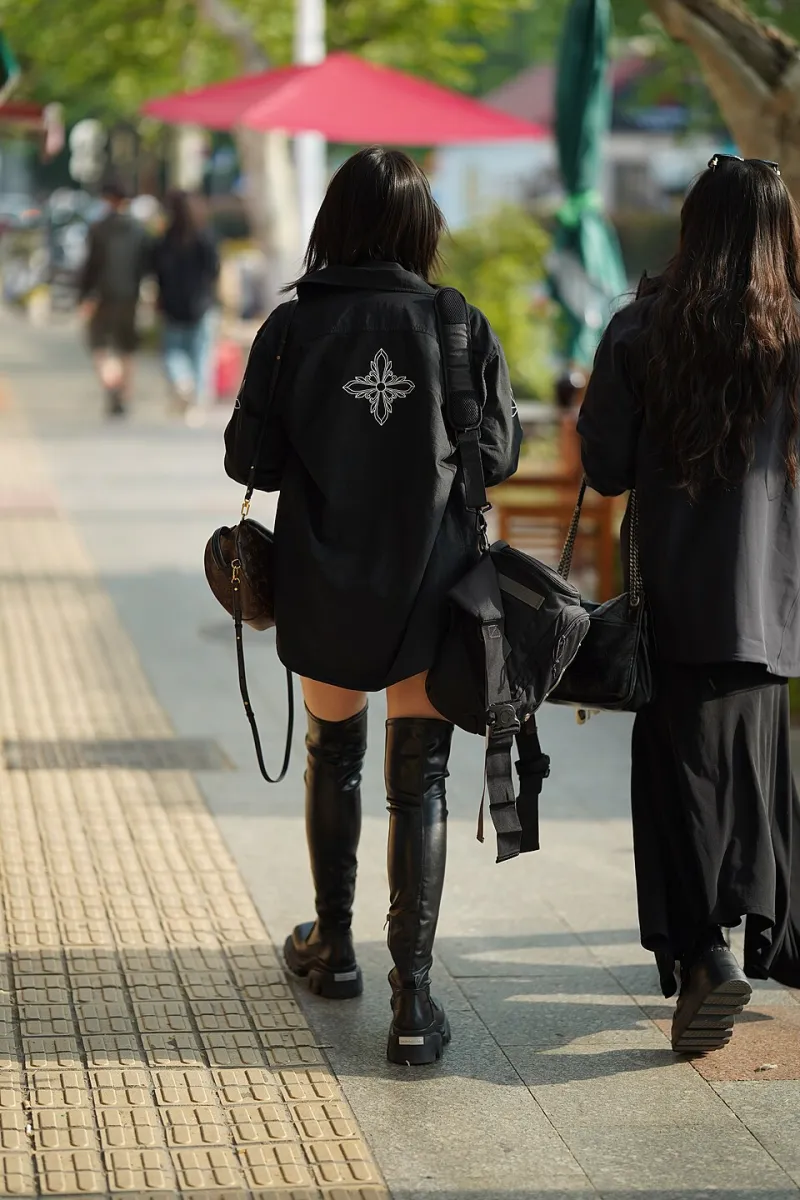
Shoes go at the bottom of the bag near the wheels, stuffed with socks to save space. Your heaviest item goes closest to the wheels too — it keeps the bag balanced when you're rolling through airports. And if you're doing carry-on only, wear your bulkiest outfit on travel days. Wear the boots, wear the jacket, put the lighter stuff in the bag.
Dressing for the Experience, Not the Content
There's a version of travel packing that's entirely built around what looks good in photos — the coordinated sets, the location-specific aesthetic, the outfits that exist for the grid and not for the actual day. And look, nobody's saying don't document your trip. But when your packing decisions are driven by content creation instead of how you actually want to feel on vacation, you end up wearing half of what you brought and dragging around a suitcase full of props.
Intentional travel style means packing for comfort, movement, and real moments — the spontaneous hike, the rain that showed up unannounced, the dinner reservation you almost missed because the beach was too good to leave. The best travel outfits are the ones you forgot you were wearing because you were too busy actually living.
The capsule that travels isn't about having less. It's about having exactly enough — and knowing the difference.