Wear What the Earth Made: Gen Z's Shift Toward Natural Fabrics Is Bigger Than a Trend

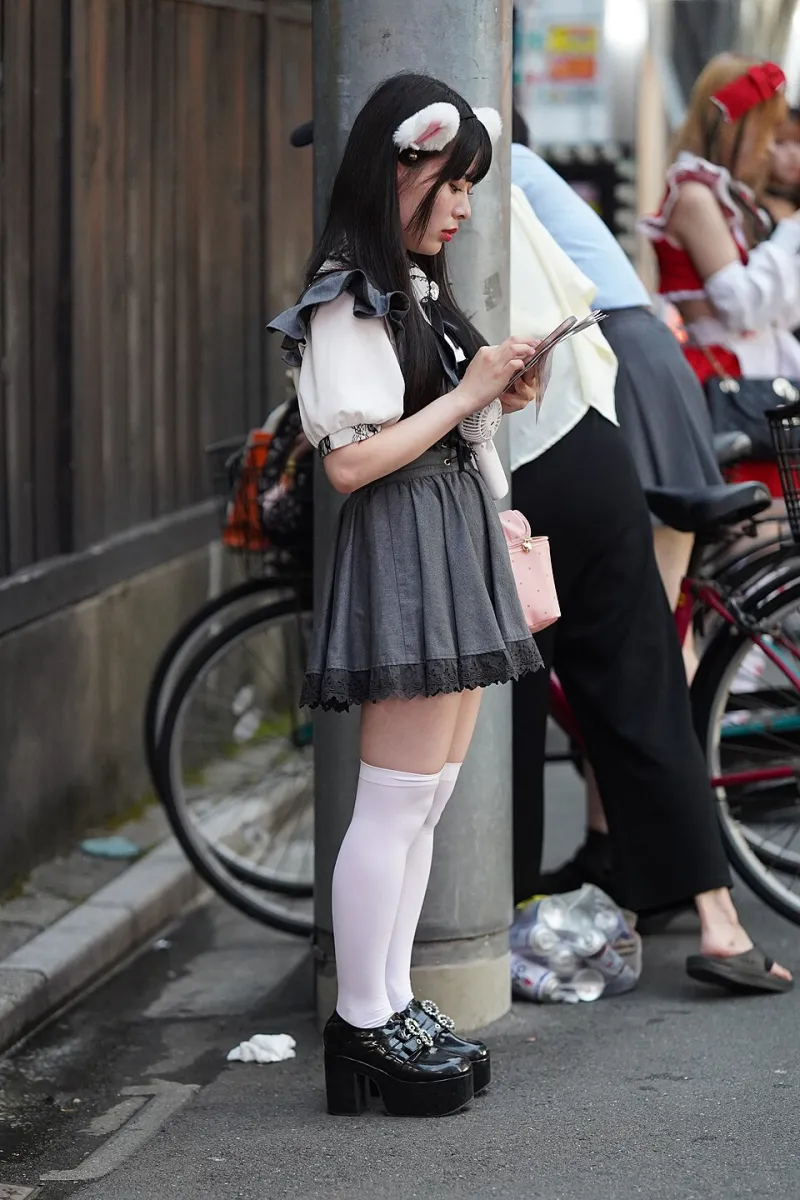
Photo: dusdin on flickr, cropped by Gridge, CC BY 2.0, via Wikimedia Commons
There's something happening in closets across the country that goes way beyond a seasonal aesthetic. Walk into any thrift store in LA, scroll through the sustainable fashion corners of TikTok, or peek at what people are actually wearing at outdoor markets from Brooklyn to Austin — and you'll notice a pattern. Linen. Raw cotton. Hemp-blend tees. Fabrics that breathe, that wrinkle, that feel like they came from somewhere real. Gen Z is gravitating toward natural textiles in a major way, and the reasons run a lot deeper than vibes.
This is the coconut code — the unspoken understanding that how your clothes are made matters just as much as how they look. And once you crack it, fast fashion starts feeling like a dialect you no longer speak.
Why Natural Fabrics Feel Like a Personal Statement Right Now
For a generation that grew up watching climate anxiety unfold in real time, choosing what you put on your body is one of the most immediate, tangible ways to act on your values. Synthetic fabrics — think polyester, nylon, acrylic — are petroleum-based. They shed microplastics every single time you wash them, and they don't biodegrade. That's a lot to carry around on your back.
Natural fibers like organic cotton, linen, bamboo, Tencel, and hemp tell a different story. They're plant-derived, biodegradable, and — when sourced responsibly — significantly gentler on the environment. But here's what makes this shift feel so distinctly Gen Z: it's not just ethical positioning. It's aesthetic alignment. The coconut-inspired, earthy palette that defines so much of this generation's style — warm neutrals, sandy textures, sun-bleached tones — looks and feels most authentic in natural fabrics. Linen wrinkles in a way that feels intentional. Raw cotton has a weight that synthetic blends just can't fake. The material IS the message.
How to Actually Identify Quality Natural Fabrics (Without Getting Played)
Here's the thing nobody tells you: not all "natural" labels mean what you think they mean. Learning to read fabric content is one of the most powerful skills you can develop as a conscious shopper.
Check the tag first. Look for fabric content percentages. A shirt that's 55% cotton and 45% polyester is not the same as 100% organic cotton — and it won't feel the same, either. The higher the natural fiber percentage, the better.
Know your certifications. GOTS (Global Organic Textile Standard) is the gold standard for organic textiles. OEKO-TEX certification means the fabric has been tested for harmful substances. These aren't perfect systems, but they're meaningful starting points.
Touch it. Seriously. Natural fabrics have a distinct texture — linen feels slightly coarse and gets softer with wear, organic cotton has a matte, substantial feel, and bamboo-derived fabrics like Tencel drape fluidly. If something feels slippery, shiny, or plasticky, it's likely synthetic or a heavy blend.
Look at the price. Quality natural fabrics cost more to produce. If a linen dress is $8, ask yourself why. Genuinely sustainable pieces tend to be priced to reflect the actual cost of ethical production — and that's not a flaw, it's information.
Greenwashing: The Fashion Industry's Favorite Trick
Let's talk about the elephant in the room. Greenwashing — when brands use environmental-sounding language to market products that aren't actually sustainable — is rampant in fashion right now. Terms like "eco-friendly," "conscious collection," and "made with recycled materials" are largely unregulated. A brand can slap a leaf icon on a polyester dress and call it a "green initiative."
Some red flags to watch for:
- Vague language with no specifics. "Sustainable" means nothing without data. Look for brands that share exact percentages of natural or recycled materials, factory certifications, and supply chain transparency.
- One "eco" product in a sea of fast fashion. A brand releasing 500 new styles a week doesn't get to offset that with one hemp tote bag.
- "Made with organic cotton" on a blend. If organic cotton makes up 10% of the fabric, that claim is technically true and practically meaningless.
The brands actually doing the work — places like Pact, Quince, Girlfriend Collective, and smaller independent labels — tend to lead with specifics rather than slogans. That's your tell.
Building a Coconut-Core Wardrobe That Feels Good Inside and Out
You don't have to overhaul everything overnight. The most sustainable wardrobe is the one you already own — so start there. Wear what you have. Then, when you're ready to add pieces, be intentional.
Invest in versatile naturals. A good linen button-down, a heavyweight organic cotton tee, a pair of wide-leg pants in a neutral hemp blend — these are the building blocks of a wardrobe that works year-round and ages beautifully. They're also the pieces that photograph exactly how they feel: effortless.
Shop secondhand first. Thrifting natural fabrics is one of the most sustainable moves you can make. Vintage linen and cotton pieces have already gone through their highest environmental impact phase (production) and are just waiting to be rediscovered. Depop, ThredUp, and local vintage shops are goldmines.
Care for what you own. Natural fabrics last longer when you treat them right. Wash in cold water, air dry when you can, and avoid over-washing. A linen shirt that's been cared for properly can last a decade.
Give yourself permission to buy less. The coconut code isn't about having more — it's about having better. A smaller wardrobe built on quality natural pieces will always feel more like you than a closet stuffed with synthetic impulse buys.
The Vibe Is Real, and So Is the Impact
What makes this moment feel different from past sustainability waves is that it's not coming from the top down. Gen Z isn't waiting for the fashion industry to lead — they're reshaping it from the ground up, one linen set and thrifted cotton jacket at a time. The coconut-inspired aesthetic that's taken over feeds and fits isn't just pretty. It's a philosophy: choose things that are real, that breathe, that connect you to something bigger than a trend cycle.
Wear what the earth made. Your wardrobe — and the planet — will thank you for it.